


What's up with carbohydrates ?
What you'll learn
-
What carbohydrates are
-
How dogs and cats digest them
-
Why carbohydrate levels matter
-
The difference between starch
and fibre
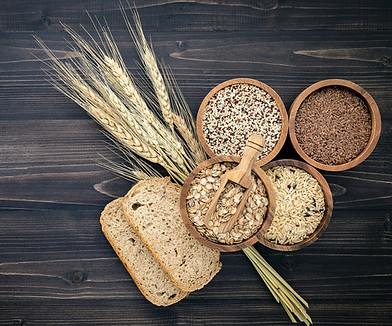
Did you know the majority of your favourite fur balls’ food is often made from cereal grains? They are a cheap ingredient with many downsides, namely being rich in carbs, or carbohydrates. When it comes to the effect of carbs on your four-legged friend’s health, the quality of the source, the presence of other nutrients and the cooking method, all come into play.
Just like you, your dog and cat rely on food to obtain adequate amounts of nutrients to grow, breathe, digest, keep warm and move. Nutrients are grouped into six major categories: protein, fat, minerals, vitamins, water and carbs.
When referring to carbs we mean the types that can be digested: either simple sugar or a complex form called starch. Carbs in food are broken down in the digestive system into sugar (glucose) that is a source of fuel to the body.
Carbs therefore affect your pup or kitty’s blood sugar levels. Excess carbs will be stored as reserves of sugar or once those are full as fat. Diets rich in carbs- such as kibble or any type of food containing a majority of cereal grains like wheat and maize or corn- has been associated with multiple health disorders such as diabetes, obesity, Irritable Bowel Syndrome (IBS) and a weakened immune system.
Dogs and cats haven’t evolved eating carb-rich diets since nature doesn’t normally provide many sources of carbs, especially complex sugars or starch. On the other hand, humans have come to rely on many sugar-rich foods like cereal grains, thereby affecting the diet of the animals we care for.
Our furry friends’ stomach is full of acid which is useful to dissolve raw meat and bone. Carbs, particularly starch, on the other hand, can only be fully digested in a much less acidic environment. The undigested starch can move into the gut and disrupt the balance of beneficial and harmful microbes known as dysbiosis.
Not only does feeding a carb-rich diet affect our beloved pets’ digestive health, the source of carbs is also often problematic. Grains are usually treated with pesticides and herbicides to produce more crops. What’s more, grains are heavily processed; they are commonly refined or have the part containing fibre removed. Fibre is important because it slows down the passage of food in the digestive system, contributing to steady blood sugar levels. Grains are then cooked at high temperatures in order to break down complex carbs into simpler more digestible products. This destroys healthy nutrients like minerals and vitamins.
While digestible carbs should be limited (sugar and starch), favour vegetables which are rich in fibre. Remember to provide a diversity of high quality fresh whole ingredients that contribute to your pets’ health, preferably sourced from organic farming to limit the use of pesticides and herbicides.

Key takeaway
Not all carbohydrates are the same. While sugar and starch provide energy, fibre plays an important role in digestive and microbiome health. The quality, source and quantity of carbohydrates in a pet's diet can influence overall health and wellbeing.